Vintage Stencil Graphics and Illustrations Review
As a brand designer who has spent years curating visual identities for small businesses and digital creators, I approach every new asset with a critical eye. The market is flooded with generic clipart, making it difficult to find resources that elevate a campaign rather than clutter it. When I first encountered the Vintage Stencil, my immediate reaction was one of cautious optimism. It promises a retro aesthetic without the heavy-handedness often found in older design libraries. This review explores how this specific graphic design asset performs in real-world marketing scenarios, from social media graphics to packaging design.
The First Impression: Mood and Brand Perception
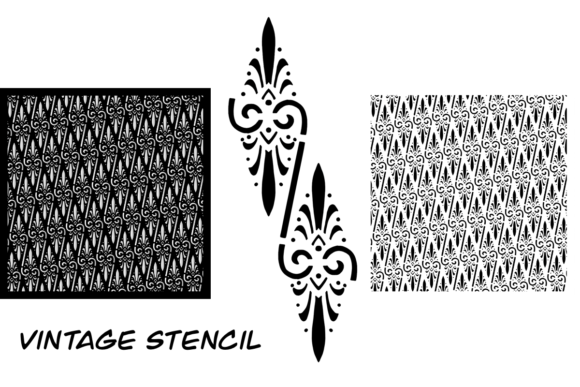
The moment you open the file, the mood is established. This is not a sterile, corporate vector; it carries the texture and soul of a handmade object. As a content marketer, I know that audience trust is built on authenticity. In an era of hyper-polished digital ads, a design that hints at craftsmanship can be a powerful differentiator. The Vintage Stencil creates an emotional tone that feels nostalgic yet curated. It suggests a brand that values tradition, quality, and perhaps a touch of rebellion against the status quo.
This asset is particularly effective for lifestyle brands, boutique product lines, and creative entrepreneurs who want their visuals to feel human. Whether you are designing a product label for a small-batch coffee or creating editorial design elements for a blog about sustainable living, the stencil style adds a layer of depth. It signals to the viewer that there is a story behind the brand, fostering a stronger connection before they even read your copy.
Real-World Application in Marketing Campaigns
To truly understand the value of this digital product, let’s imagine a real project. Picture a local artisan launching a new line of leather goods. They need to refresh their Instagram feed, create Pinterest pins, and design packaging inserts that feel premium but accessible. Using the Vintage Stencil here transforms standard promotional banners into something collectible. By placing the pattern as a subtle background element or a framing device around the product photo, the brand achieves a clearer visual hierarchy. The product remains the hero, but the stencil provides context and character.
In the realm of social media graphics, consistency is key. This asset allows you to build a cohesive look across Facebook ads, email banners, and website headers without needing custom illustration work for every post. Because it comes in both PNG and SVG formats, you have the flexibility to scale it for large event flyers or shrink it for mobile stories without losing quality. This versatility makes it an excellent addition to any design bundle for content creators who need to produce high-volume marketing visuals quickly.
Strategic Uses for Stronger Brand Identity
When integrating the Vintage Stencil into your brand identity, consider where it adds the most value. It works exceptionally well as a decorative accent in logo design or as a watermark on digital downloads. For physical products, using this pattern on packaging design or product labels can make unboxing experiences more memorable. It turns a simple box into a branded artifact that customers might keep.
Furthermore, this asset supports lead magnets and media kits by giving them a professional appearance that stands out against competitor visuals. If you are selling a Canva template or a printable design, incorporating this stencil style can increase perceived value. It tells the customer that you care about the details. In web design, using it as a section divider or a header background can break up text-heavy pages and guide the reader’s eye, improving engagement and time on site.
Where the Asset Shines Brightest
- Hero Graphics: Use it to frame main campaign messages on landing pages.
- Product Launch Visuals: Add texture to announcement posts to generate excitement.
- Branded Templates: Create reusable assets for consistent internal or client communication.
- Social Media Covers: Establish a recognizable look for profiles and groups.
- Packaging Accents: Elevate physical goods with a touch of vintage flair.
- Editorial Layouts: Enhance blog posts and e-books with sophisticated decorative elements.
Navigating Limitations and Design Challenges
While the Vintage Stencil is a versatile tool, it is not a universal solution. As a seasoned designer, I must advise caution when applying it to formal corporate branding or dense information layouts. The intricate nature of the pattern can compete with the main message if used too heavily. In text-heavy ads or designs where readability is paramount, this asset should be minimized or removed entirely to avoid visual noise.
Additionally, be mindful of low-contrast backgrounds. A complex stencil pattern placed over a busy image or a dark, muted color palette may disappear or become muddy. It also requires careful consideration for small mobile graphics. While the SVG format ensures scalability, the detail level might get lost on very small screens, so always preview your design on actual devices. For overly minimal brands that rely on stark whitespace, introducing this pattern could disrupt the clean aesthetic unless used sparingly as a subtle accent.
Practical Designer Notes for Implementation
To get the most out of this creative design, follow these practical steps during your workflow. First, test the asset with your specific brand color palette. Does the stencil look better in black, white, or a brand-specific hue? Check its performance in black and white usage, especially for print materials like stickers or merchandise where color separation might be an issue.
Place the design inside real campaign mockups to see how it interacts with typography. Compare how it pairs with serif fonts for a classic look, sans-serif fonts for a modern twist, script fonts for elegance, handwritten fonts for a personal touch, or display fonts for bold statements. Review spacing and balance to ensure the pattern doesn't overwhelm the layout. Finally, always confirm the commercial licensing before using it in paid campaigns, client work, or business branding. Ensuring you have the right to use the asset commercially protects your business and maintains professional integrity.
Final Thoughts on Creative Value
The Vintage Stencil is more than just a clipart; it is a strategic tool for building audience trust and recognition. By offering a digitally redrawn decorative design that can be resized and placed in various ways, it empowers marketers to create unique visuals without starting from scratch. Whether you are a blogger, a digital seller, or a small business owner, this asset helps you communicate a distinct brand voice. It bridges the gap between modern design efficiency and the timeless appeal of vintage aesthetics, making it a valuable addition to any professional branding toolkit.