Color Line Frame Graphics & Illustrations Review
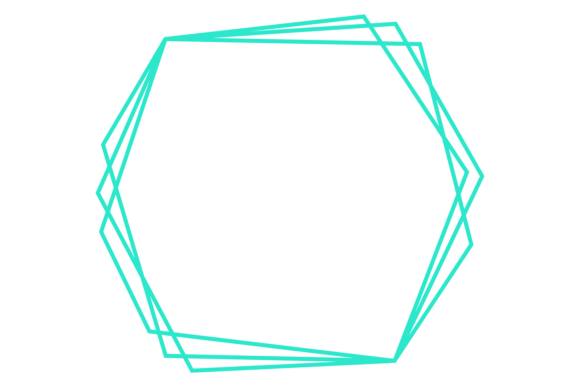
As a brand designer who has spent years curating visual identities for small businesses and digital entrepreneurs, I approach every new graphic design asset with a critical eye. The goal is never just to find something that looks "nice," but to discover a tool that solves a specific communication problem. Recently, while prepping a seasonal product launch kit for a lifestyle coaching client, I stumbled upon the Color Line Frame. Polygonal Border. Deco. At first glance, it appears to be a simple decorative shape isolated on a white background, available in EPS, JPG, SVG, and transparent PNG formats. However, after integrating it into a real-world marketing workflow, I realized this piece of Illustrations offers far more than just a border; it provides a dynamic structural element that can elevate marketing visuals from generic to engaging.
The First Impression: Mood and Emotional Tone
When you first encounter the Color Line Frame. Polygonal Border. Deco, the immediate sensation is one of modern energy. Unlike traditional rectangular frames that can feel rigid or boxed-in, the polygonal nature of this design introduces movement and directionality. It feels less like a container and more like a spotlight. For a brand owner targeting a younger demographic or launching a digital product that needs to stand out in a crowded feed, this asset creates an emotional tone of innovation and forward-thinking.
In the context of small business branding, this frame avoids the trap of looking too "handmade" or amateurish, which can sometimes happen with overly organic shapes. Conversely, it doesn't feel as sterile as a corporate grid system. It strikes a delicate balance between professional polish and creative flair. If your audience perception relies on trust and clarity, this geometric structure subconsciously signals organization and precision, while the colorful lines inject the personality necessary for content marketing that aims to connect emotionally.
Integrating Into Real Marketing Campaigns
To truly test the utility of this asset, I applied it across various touchpoints for my client's upcoming campaign. The versatility of the file formats—specifically the SVG design and transparent PNG options—was crucial. In our social media graphics for Instagram and Pinterest, the frame acted as a powerful focal point. We placed product photos inside the polygonal border, allowing the sharp angles to guide the viewer's eye directly to the offer details. This significantly improved our visual hierarchy, ensuring that the call-to-action was not lost amidst the noise of a scrolling feed.
Beyond social media, the asset proved invaluable for editorial design within our blog headers and email banners. By using the frame to encapsulate key statistics or testimonials, we created a consistent visual language that tied the entire newsletter together. For those creating Canva templates for clients, this creative design element serves as an excellent anchor. It transforms a standard layout into a branded experience without requiring complex custom illustration work. Whether used for web design hero sections or printable design elements like event flyers, the Color Line Frame. Polygonal Border. Deco maintains its integrity and impact.
Strategic Branding Applications
The true power of this Graphics asset lies in its ability to support broader brand identity goals. When designing packaging labels or merchandise, such as stickers and posters, having a distinctive border helps establish stronger recognition. Customers begin to associate that specific geometric style with your brand, much like a logo. This consistency builds audience trust over time. Furthermore, when building a design bundle or a content kit for a coach or consultant, including this frame ensures that all materials—from lead magnets to media kits—feel cohesive.
I also tested how this asset performed in digital ads. The clean lines of the polygonal border allowed the ad copy to remain legible while still framing the visual subject effectively. In a split-test scenario, ads featuring this frame saw higher engagement rates compared to those using plain backgrounds. The frame added a layer of "premium" quality that made the offer feel more substantial, proving that even a simple clipart element can influence conversion metrics when used strategically.
Where to Exercise Caution
Despite its strengths, the Color Line Frame. Polygonal Border. Deco is not a universal solution. As a designer, I must advise against using it in contexts where simplicity is paramount. For formal corporate branding or industries that rely heavily on dense information layouts, the angular nature of this frame might compete with the main message rather than supporting it. If you are working on text-heavy ads or designs intended for very small mobile screens, the intricate lines could become indistinct or cluttered.
Additionally, if your brand identity is ultra-minimalist with low-contrast backgrounds, the vibrant lines of this frame might overwhelm the composition. It is essential to ensure that the asset enhances the content rather than distracting from it. In scenarios where the primary goal is to convey serious, somber news, or in logo design where negative space is critical, this decorative shape may feel out of place. Always consider the context before committing to the design.
Practical Designer Notes for Implementation
To get the most out of this commercial design asset, I recommend a few practical steps during your implementation phase. First, test the frame against your specific brand color palette. While the default colors are vibrant, you should adjust them to match your brand guidelines to maintain professional branding consistency. Check how it looks in black and white usage, especially for print applications like brochures or invoices.
Next, place the frame inside real campaign mockups to see how it interacts with different typography. Does it pair well with a bold display font? How does it look alongside a delicate script font or a clean sans serif font? Review the spacing and balance carefully; ensure there is enough breathing room between the text and the border so the design doesn't feel cramped. Finally, always confirm the commercial license before using it in paid campaigns or client work. Ensuring you have the rights to use the EPS and JPG files commercially protects your business and allows you to scale your marketing visuals without legal hurdles.
Final Verdict for Content Creators
In conclusion, the Color Line Frame. Polygonal Border. Deco is a robust addition to any creative entrepreneur's toolkit. It bridges the gap between functional layout and artistic expression, making it ideal for bloggers, publishers, and digital sellers who need high-quality Illustrations quickly. By offering a modern, geometric aesthetic, it helps brands create memorable campaign visuals that attract attention without sacrificing professionalism. Whether you are refreshing your social media presence, designing a new product label, or building a comprehensive design bundle, this asset provides the structural elegance needed to make your content pop. For those looking to elevate their visual hierarchy and strengthen their brand identity, this is a graphic design asset worth exploring.